Japanese Society

Daily Scenes

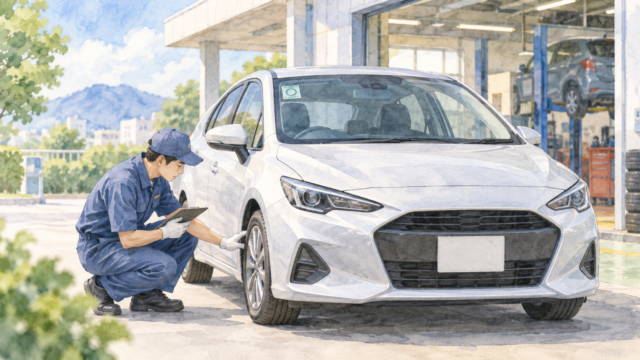
Japan’s Shaken Is Not a Safety Guarantee: Why Your Car Still Needs Maintenance After Passing Inspection

Japan’s shaken vehicle inspection checks whether a car meets safety and environmental standards at the time of inspection. It does not guarantee the car will remain safe until the next test—and Japan’s maintenance rules make that distinction important.
Daily Scenes

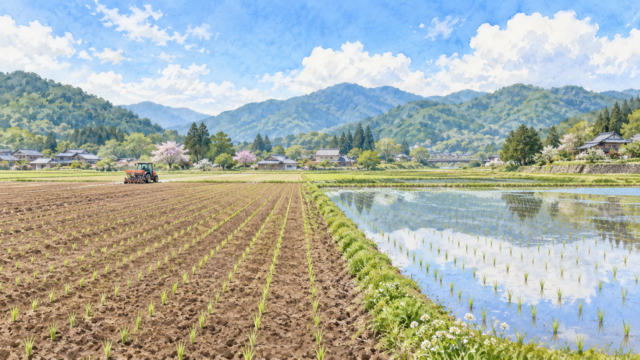
Rice Farming Without Rice Transplanting? A Familiar Japanese Scene Is Slowly Changing

Rice transplanting is one of Japan’s most familiar spring scenes. But dry direct seeding is expanding, changing not only how rice is planted but also farm machinery, labor, crop rotations, and the traits farmers need from rice itself.
Culture Gaps

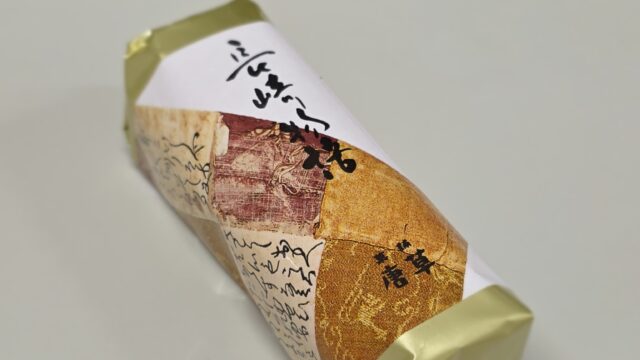
Why Japanese Omiyage Are More Than Souvenirs — A Nagasaki Sweet With a 400-Year Story

A Nagasaki sweet brought back to a Japanese office opens a window onto omiyage culture: regional classics, workplace sharing, and a wrapper carrying a 17th-century letter from exile.
Everyday Food

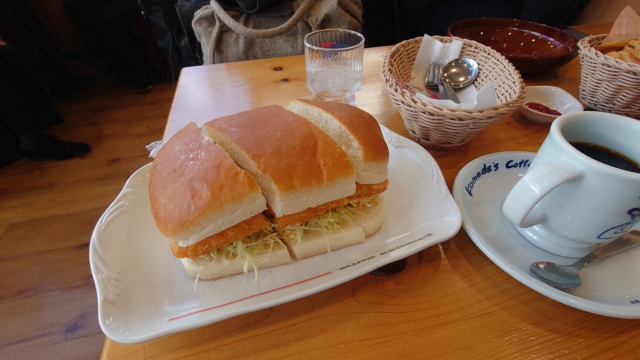
Komeda’s Coffee: The Japanese Café Chain Where the Food Is Bigger Than the Photos

Komeda’s Coffee looks like a nationwide café chain, but its roots are in Nagoya’s old-school kissaten culture. From morning toast to famously enormous sandwiches and the affectionate “reverse photo scam” meme, here is why Komeda feels so different.
Culture Gaps

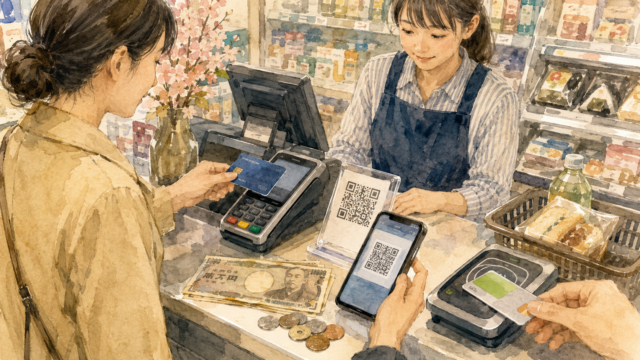
Japan Is Now 58% Cashless — But That Does Not Mean What Visitors Think

Japan’s cashless payment ratio reached 58.0% in 2025, but that does not mean 58% of purchases are digital. Here is what the number actually measures, why cards still dominate, and why cash, IC cards and QR payments continue to coexist.
Daily Scenes

Japan’s Convenience Stores Don’t Have Everything. They Can Do Almost Anything.

Japanese convenience stores do not offer endless choice. Instead, they solve an extraordinary range of everyday problems—and some have begun to function like miniature pieces of a town.
Japanese Words & Culture

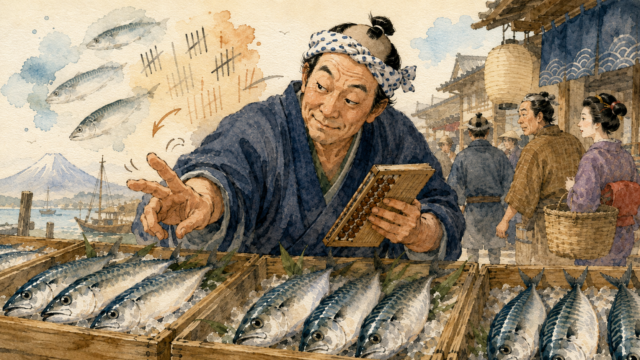
Why Does “Reading Mackerel” Mean Lying About Your Age in Japanese?

Why does the Japanese expression saba o yomu—literally connected to “counting mackerel”—mean fudging a number, especially your age? Its roots lead back to older Japanese, Edo-period fish trade, and an etymology that is still not completely settled.
Everyday Food

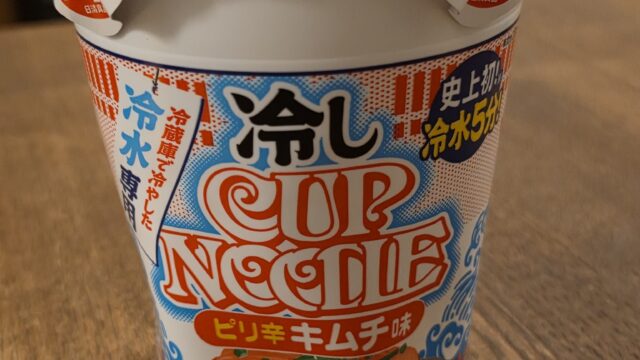
Japan Made a Cup Noodle You Must Not Add Hot Water To — I Tried It Before It Sold Out

Nissin created a Cup Noodle that explicitly bans boiling water and rehydrates in cold water in five minutes. I tried it before news broke that the initial supply had sold out in about a week.
Daily Scenes

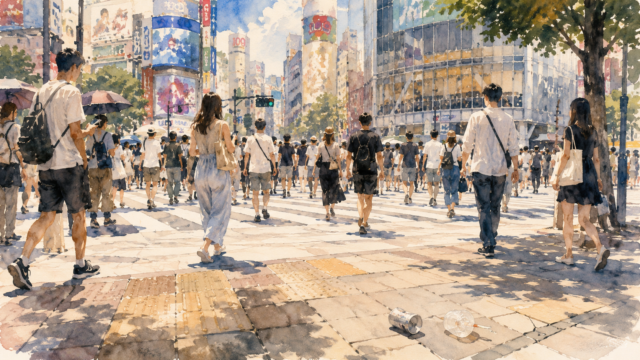
Japan Has Few Trash Cans. So Why Is Shibuya Now Fining People for Littering?

Japan is famous for clean streets despite having few public trash cans. Shibuya’s new littering rules show that cleanliness depends on systems, not perfect people.
Japanese Words & Culture

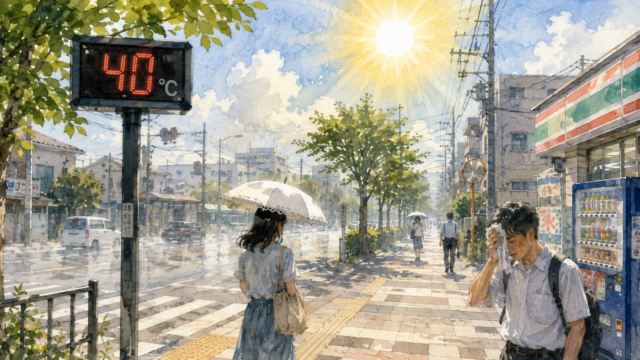
Japan Now Has an Official Name for a 40°C Day

Japan’s weather vocabulary has a new word: kokushobi, an official term for days reaching 40°C or higher. Here is what the name says about everyday summer life in Japan.