Japanese Seasons

Japanese Words & Culture

鴻雁来: Wild geese arrive | Japan’s 72 Microseasons

What 鴻雁来 (Wild geese arrive) means in Japan, and what is actually in season now through the lens of shun.
Japanese Words & Culture
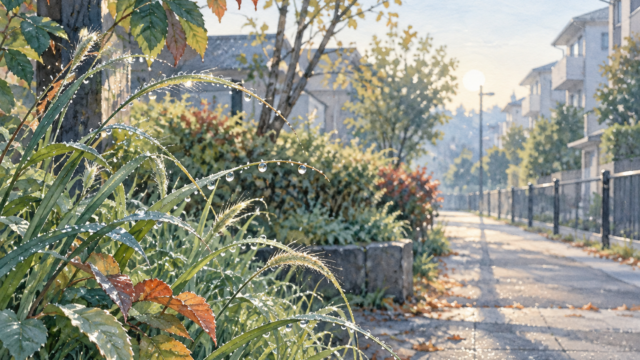
Kanro (寒露): Cold Dew in Japan

What 寒露 (Cold Dew) means in Japan, and what is actually in season now through the lens of shun.
Japanese Words & Culture

蟄虫坏戸: Insects seal their shelters | Japan’s 72 Microseasons

What 蟄虫坏戸 (Insects seal their shelters) means in Japan, and what is actually in season now through the lens of shun.
Japanese Words & Culture

水始涸: Water begins to recede | Japan’s 72 Microseasons

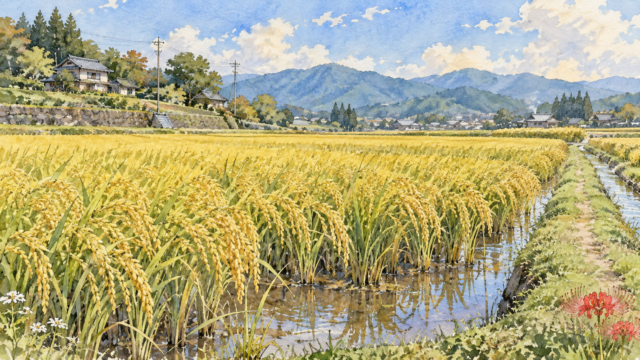
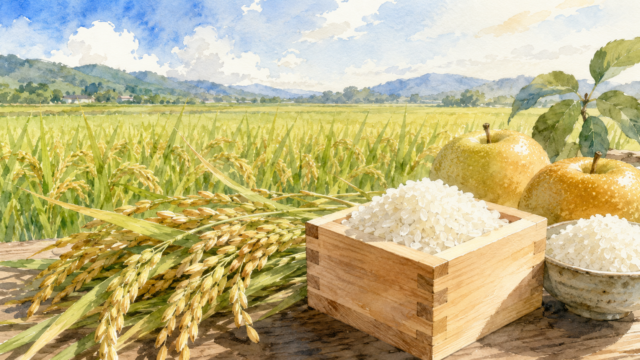
水始涸 marks the point when rice paddies move toward harvest: water recedes, golden fields mature, and new-crop rice begins to reach the table.
Japanese Words & Culture

雷乃収声: Thunder ceases | Japan’s 72 Microseasons

What 雷乃収声 (Thunder ceases) means in Japan, and what is actually in season now through the lens of shun.
Japanese Words & Culture

禾乃登: Rice and other grains ripen | Japan’s 72 Microseasons

What 禾乃登 (Rice and other grains ripen) means in Japan, and what is actually in season now through the lens of shun.
Japanese Words & Culture

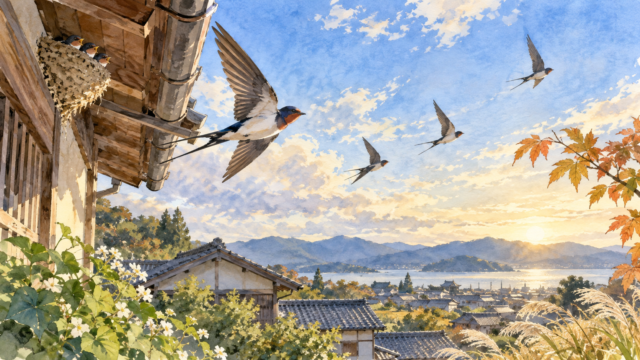
玄鳥去: Swallows depart | Japan’s 72 Microseasons

What Tsubame saru (Swallows depart) means in Japan, and what is actually in season now through the lens of shun.
Japanese Words & Culture

Shubun (秋分): Autumn Equinox in Japan

What 秋分 (Autumn Equinox) means in Japan, and how the old seasonal calendar compares with present-day weather and everyday life.
Japanese Words & Culture

鶺鴒鳴: Wagtails begin to call | Japan’s 72 Microseasons

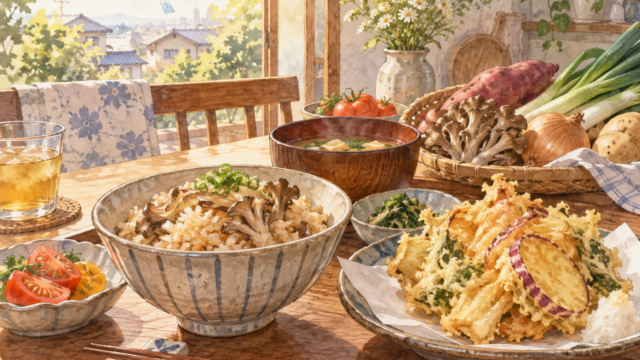
The old calendar says wagtails begin to call. In mid-September 2026, a clearer seasonal signal is on the table: sweet potato harvest begins while autumn foods appear in everyday retail and summer heat lingers.
Japanese Words & Culture

草露白: Dew whitens the grass | Japan’s 72 Microseasons

What 草露白 (Dew whitens the grass) means in Japan, and what is actually in season now through the lens of shun.