Japanese History

Culture Gaps

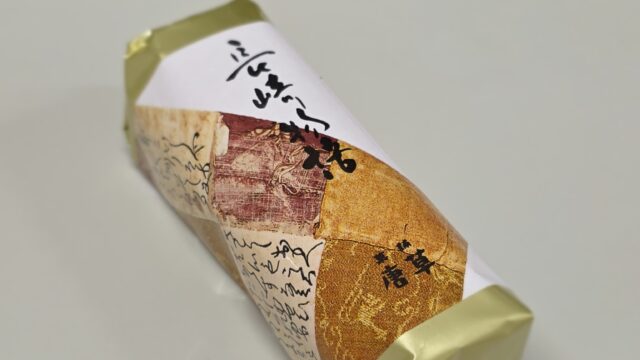
Why Japanese Omiyage Are More Than Souvenirs — A Nagasaki Sweet With a 400-Year Story

A Nagasaki sweet brought back to a Japanese office opens a window onto omiyage culture: regional classics, workplace sharing, and a wrapper carrying a 17th-century letter from exile.
Japanese Words & Culture

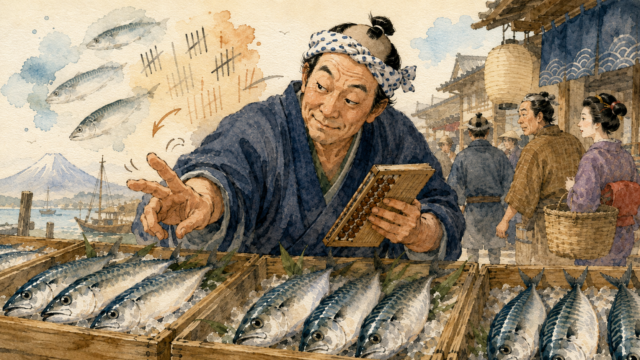
Why Does “Reading Mackerel” Mean Lying About Your Age in Japanese?

Why does the Japanese expression saba o yomu—literally connected to “counting mackerel”—mean fudging a number, especially your age? Its roots lead back to older Japanese, Edo-period fish trade, and an etymology that is still not completely settled.
Everyday Food

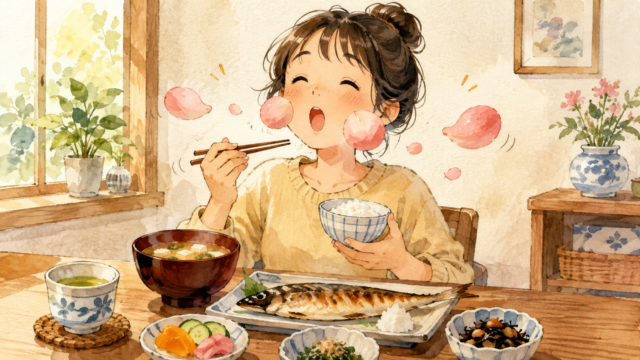
In Japan, Food Can Be So Good Your Cheeks Fall Off

Why do Japanese people say their “cheeks are falling off” when food tastes amazing? The expression has surprisingly old roots—and similar ideas appear around the world.
Everyday Food

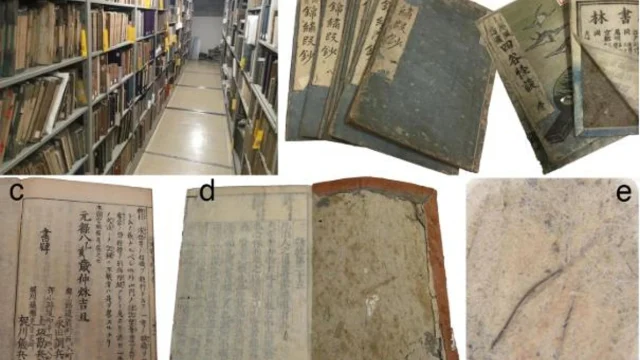
Human Hair Hidden in Old Japanese Books Reveals How Ordinary People Ate

Human hairs embedded in recycled covers of old Japanese books preserve chemical traces of ordinary urban life—from rice and marine fish to salt, lead exposure and the recycling systems that accidentally created a biological archive.