Japanese Traditions

Japanese Words & Culture

草露白: Dew whitens the grass | Japan’s 72 Microseasons

What 草露白 (Dew whitens the grass) means in Japan, and what is actually in season now through the lens of shun.
Japanese Words & Culture

Hakuro (白露): White Dew in Japan

What 白露 (White Dew) means in Japan, and what is actually in season now through the lens of shun.
Culture Gaps

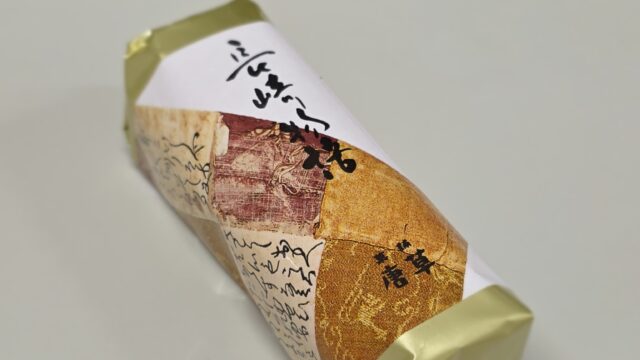
Why Japanese Omiyage Are More Than Souvenirs — A Nagasaki Sweet With a 400-Year Story

A Nagasaki sweet brought back to a Japanese office opens a window onto omiyage culture: regional classics, workplace sharing, and a wrapper carrying a 17th-century letter from exile.
Japanese Words & Culture

Shosho (処暑): End of Heat in Japan

Shosho (処暑) means “End of Heat,” but Japan can still be very hot. A 2026 seasonal note comparing the traditional calendar with current weather, food supply, and everyday retail.
Japanese Words & Culture

Japan’s 24 Solar Terms and 72 Microseasons: A Living Seasonal Calendar

Japan’s traditional seasonal calendar divides the year into 24 solar terms and 72 microseasons. This living guide will grow through the year, linking each old seasonal phrase to modern Japanese weather, food, plants and everyday life.
Japanese Words & Culture

天地始粛: The heat begins to subside | Japan’s 72 Microseasons

In late August Japan, the old calendar says the heat is easing — while the forecast still looks like summer. 天地始粛 is where lingering heat, early-autumn fruit and everyday seasonal culture overlap.
Japanese Words & Culture

Why Does “Reading Mackerel” Mean Lying About Your Age in Japanese?

Why does the Japanese expression saba o yomu—literally connected to “counting mackerel”—mean fudging a number, especially your age? Its roots lead back to older Japanese, Edo-period fish trade, and an etymology that is still not completely settled.
Everyday Food

Japan’s Traditional “Pudding” Isn’t Sweet: What Is Chawanmushi?

Chawanmushi looks remarkably like pudding, but one spoonful reveals something completely different: a delicate Japanese savory egg custard made with dashi.
Japanese Words & Culture

Obon Is Not a National Holiday—So Why Does Japan Shut Down?

Obon is not a national holiday in Japan, yet trains fill up, highways clog, offices quiet down, and families head home. Why does an unofficial holiday have so much power?
Japanese Words & Culture

Cucumber Horses and Eggplant Cows: The Vegetable Animals of Japan’s Obon

Every summer, ordinary cucumbers and eggplants become small animals that carry ancestral spirits home. Discover the quiet meaning behind Japan’s Obon tradition.