Culture Gaps

The Domains That Won Japan’s Revolution—and Then Disappeared

Meiji Japan was centralized by samurai from powerful domains who overthrew the shogunate—then abolished the very domains that had made their victory possible.
Culture Gaps

Anpanman: The Global-Scale Japanese Hero Who Barely Went Global

Anpanman is little known across much of the world, yet his Japan-centered ecosystem rivals the largest media franchises. His unusual strength begins with a hero who gives away his own face.
Culture Gaps

Bamiyan: Japan’s Chinese Family Restaurant Named After an Afghan City

Bamiyan is a casual Chinese restaurant chain in Japan. Its food is carefully standardized, its logo is a peach, and its name comes from an ancient city in Afghanistan.
Everyday Places

Why Japanese Highway Rest Stops Feel Like Destinations

In Japan, a highway break can become part of the journey. Daikoku PA shows why service areas and parking areas feel like destinations.
Everyday Food

Eating Unagi at Lake Hamana: A Japanese Food Culture With a Complicated Future

Unagi is a beloved Japanese eel dish connected to rice, summer customs, Lake Hamana, resource concerns, and the future of complete aquaculture.
Daily Scenes

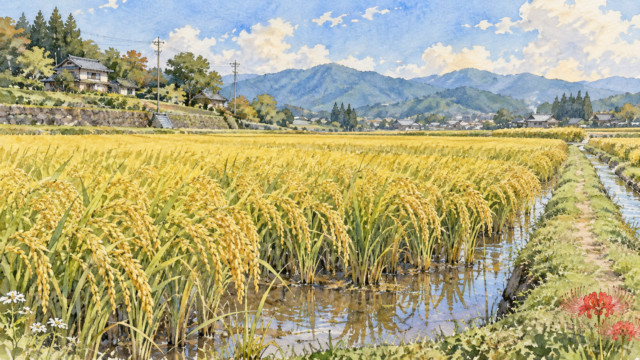
Why Japanese People Care So Much About Rice

Rice is ordinary in Japan, but it connects supermarkets, family farms, varieties, breeding, sake, recent shortages, and everyday meals.
Daily Scenes

I Bought a New Umbrella, So Let’s Talk About Japan’s Rainy Season

Japan’s rainy season, called tsuyu, is humid and inconvenient, but it also brings green streets, quiet rain, umbrellas, rice fields, and water before summer.
Japanese Words & Culture

Japan Is Good at Avoiding Mistakes. That May Be Part of the Problem.

Japan is known for precision, reliability, and careful work. But its tendency to avoid mistakes may also slow innovation. A calm look at trial and error in ordinary Japan.
Daily Scenes

Inari Sushi: The Everyday Sushi Without Raw Fish

Inari sushi is a familiar everyday sushi in Japan made with vinegared rice wrapped in sweet fried tofu. It contains no raw fish and is often found in bento boxes, supermarkets, airports, and travel meals.
Everyday Food

Green Tea Is Not the Only Everyday Tea in Japan Anymore

Japanese tea culture is often associated with green tea, but everyday bottled tea in Japan is becoming more diverse, including barley tea, blended tea, and caffeine-free options.