Japanese words, expressions, habits, and small cultural details that are difficult to translate.
 Japanese Words & Culture
 草露白: Dew whitens the grass | Japan’s 72 Microseasons
What 草露白 (Dew whitens the grass) means in Japan, and what is actually in season now through the lens of shun.
 Japanese Words & Culture
 Hakuro (白露): White Dew in Japan
What 白露 (White Dew) means in Japan, and what is actually in season now through the lens of shun.
 Japanese Words & Culture
 Shosho (処暑): End of Heat in Japan
Shosho (処暑) means “End of Heat,” but Japan can still be very hot. A 2026 seasonal note comparing the traditional calendar with current weather, food supply, and everyday retail.
 Japanese Words & Culture
 Japan’s 24 Solar Terms and 72 Microseasons: A Living Seasonal Calendar
Japan’s traditional seasonal calendar divides the year into 24 solar terms and 72 microseasons. This living guide will grow through the year, linking each old seasonal phrase to modern Japanese weather, food, plants and everyday life.
 Japanese Words & Culture
 天地始粛: The heat begins to subside | Japan’s 72 Microseasons
In late August Japan, the old calendar says the heat is easing — while the forecast still looks like summer. 天地始粛 is where lingering heat, early-autumn fruit and everyday seasonal culture overlap.
 Japanese Words & Culture
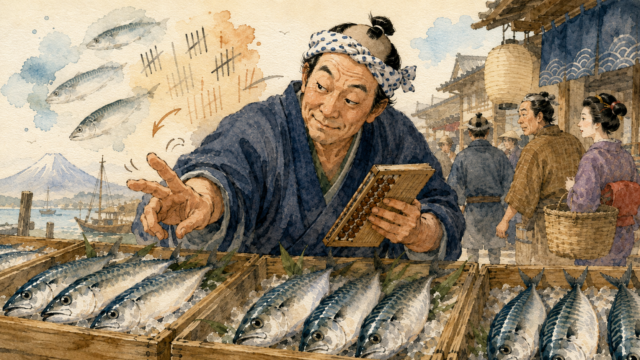
 Why Does “Reading Mackerel” Mean Lying About Your Age in Japanese?
Why does the Japanese expression saba o yomu—literally connected to “counting mackerel”—mean fudging a number, especially your age? Its roots lead back to older Japanese, Edo-period fish trade, and an etymology that is still not completely settled.
 Everyday Food
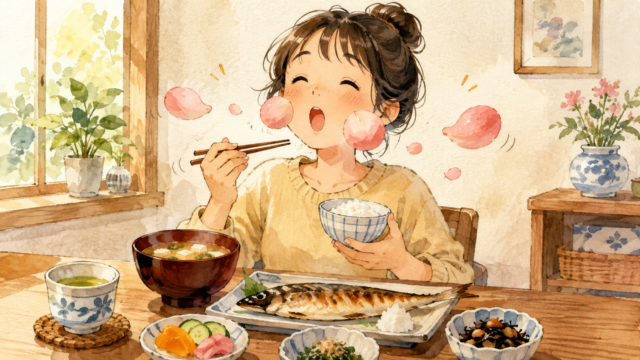
 In Japan, Food Can Be So Good Your Cheeks Fall Off
Why do Japanese people say their “cheeks are falling off” when food tastes amazing? The expression has surprisingly old roots—and similar ideas appear around the world.
 Japanese Words & Culture
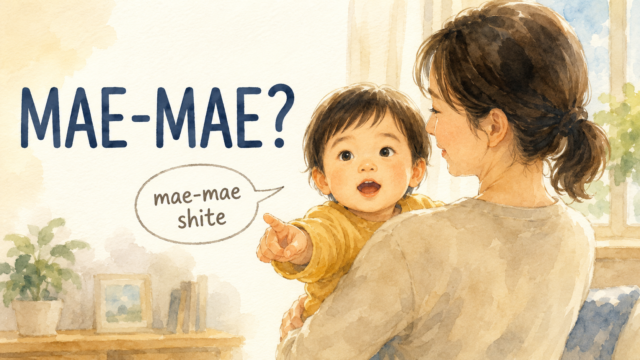
 Did I Just Watch a Japanese Toddler Invent a Word?
A toddler says “mae-mae shite” to mean “hold me facing forward.” Is it onomatopoeia, child language, or a glimpse of how new expressions emerge in Japanese?
 Japanese Words & Culture
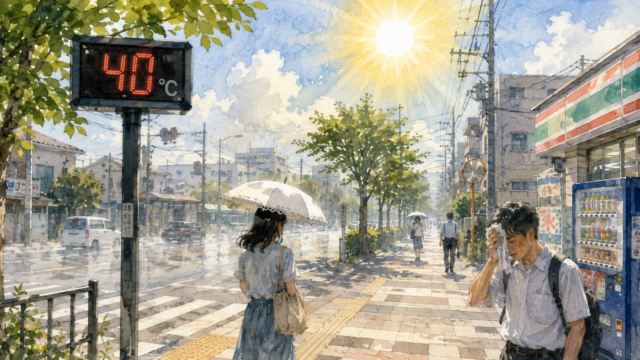
 Japan Now Has an Official Name for a 40°C Day
Japan’s weather vocabulary has a new word: kokushobi, an official term for days reaching 40°C or higher. Here is what the name says about everyday summer life in Japan.
 Japanese Words & Culture
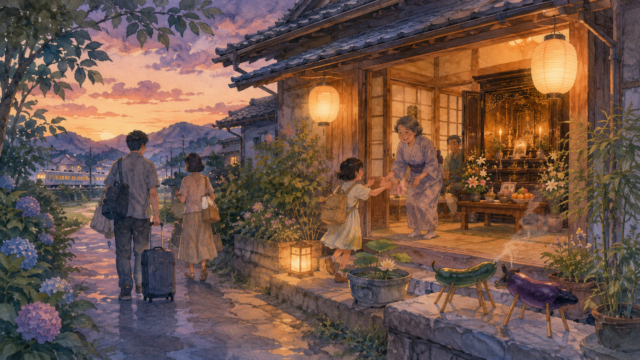
 Obon Is Not a National Holiday—So Why Does Japan Shut Down?
Obon is not a national holiday in Japan, yet trains fill up, highways clog, offices quiet down, and families head home. Why does an unofficial holiday have so much power?