Shosho (処暑) is usually translated as “End of Heat.” In 2026, that name arrives while much of Japan still feels unmistakably like summer.
This is exactly the kind of mismatch the Japanese Seasonal Calendar is designed to record: the traditional calendar gives us a seasonal frame, while present-day weather, food supply, shops, and everyday routines tell us what Japan is actually experiencing.
- When does Shosho begin in 2026?
- In modern Japan, the heat is not over
- Heat is also shaping what reaches the table
- A seasonal turn can appear in convenience stores before the air feels cooler
- Shun: hashiri, sakari, and nagori
- Does modern Japan still follow the old calendar?
- What we are still collecting for the 2026 Season Note
- Sources
When does Shosho begin in 2026?
According to the National Astronomical Observatory of Japan (NAOJ), the 2026 astronomical transition into Shosho falls on August 23 at 11:19 JST.
Shosho is one of Japan’s twenty-four solar terms. The name suggests that the most intense heat is beginning to ease. It does not mean that Japan suddenly becomes cool on this date, and Ordinary Japan does not treat the calendar name as evidence of current conditions.
In modern Japan, the heat is not over
On the morning of August 23, the Japan Meteorological Agency’s forecast still showed a high of 32°C for Tokyo and 35°C for Osaka. In other words, the day called “End of Heat” can still be a midsummer-like day in major Japanese cities.
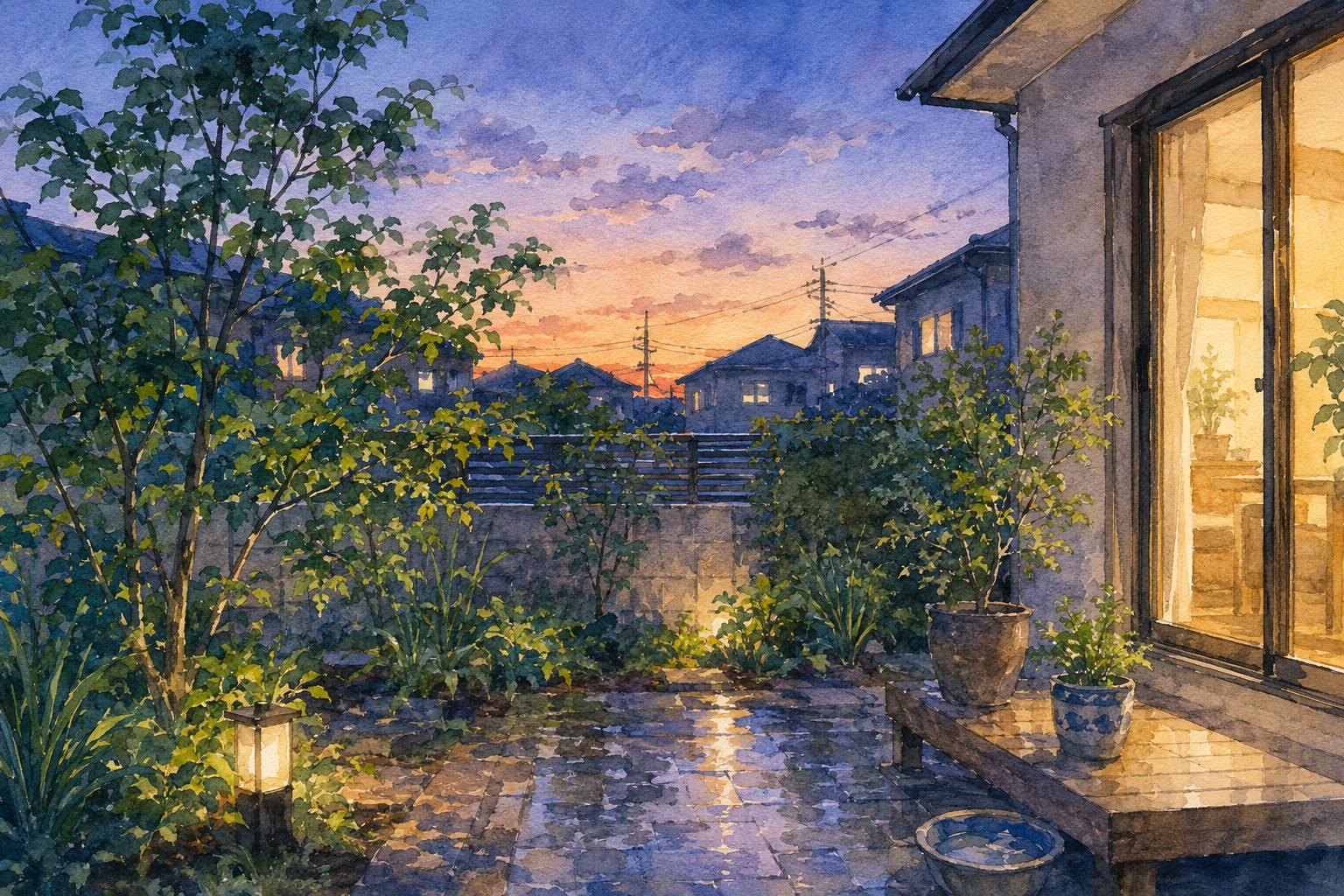
That contrast is more useful than pretending the old phrase is literally describing the weather. Shosho can be understood as a turning point: late-summer heat remains, but the calendar is already pointing toward the next seasonal phase.
Heat is also shaping what reaches the table
The Ministry of Agriculture, Forestry and Fisheries’ August vegetable outlook shows how summer heat reaches everyday food. It reported heat-related yield losses for spinach in major producing areas, and noted concern that July heat reduced tomato fruit set; for the latter half of August, tomato shipments were expected to fall below normal while prices were expected to rise above normal.
This is one modern form of seasonality: shun is not only about what tastes good at a certain moment. Weather can also change how much food reaches stores, when it arrives, and what it costs.
A seasonal turn can appear in convenience stores before the air feels cooler
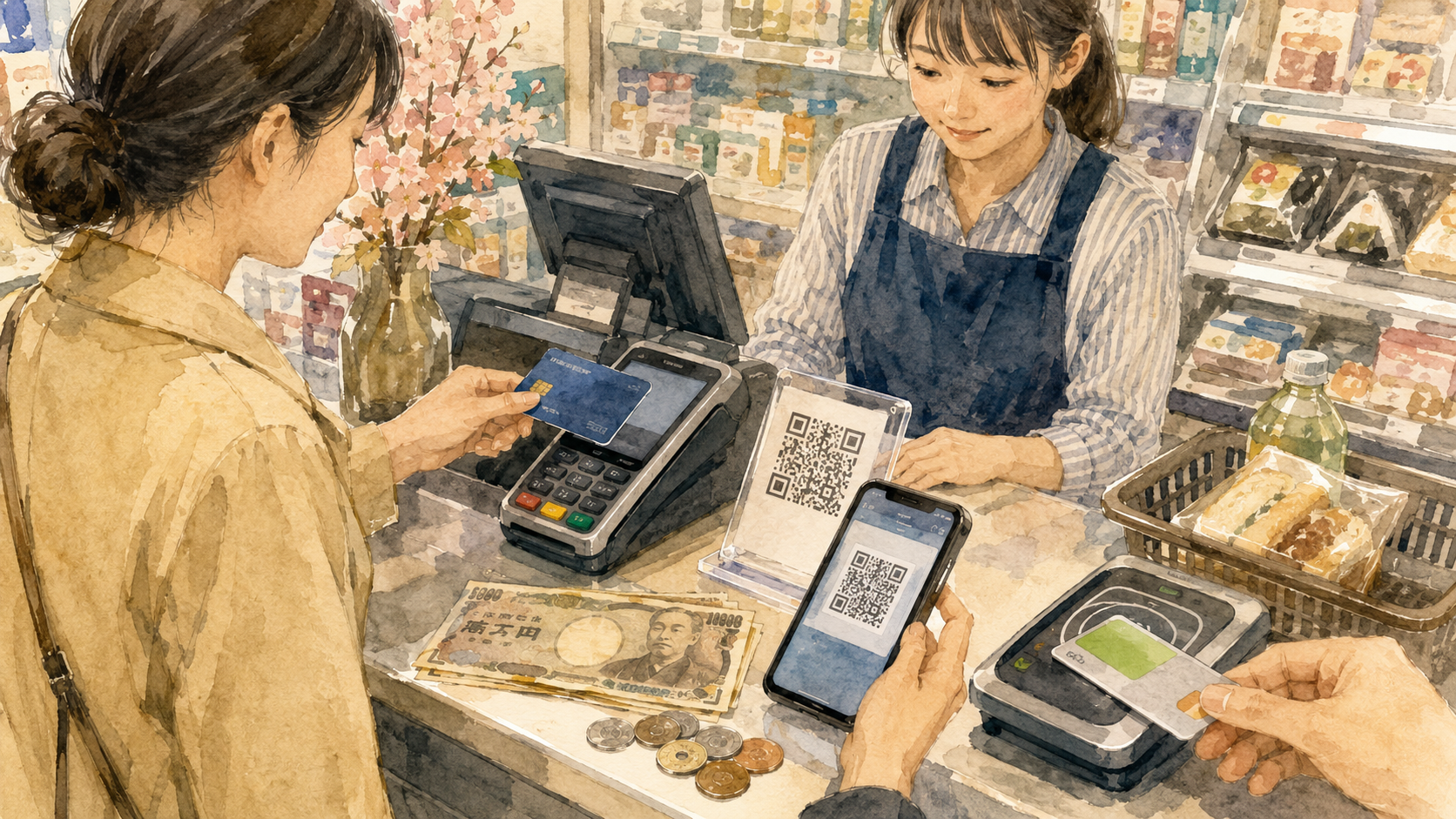
The seasonal shift is also visible in ordinary retail. Seven-Eleven’s lineup for products beginning August 25 includes a maitake mushroom rice onigiri across a wide range of regions, including Tokyo and Kanagawa.
One convenience-store item does not prove that autumn has arrived. But it is a useful Ordinary Japan observation: seasonal language in retail can begin changing while the outdoor temperature still says “summer.”
Shun: hashiri, sakari, and nagori
Ordinary Japan uses three phases when current evidence supports them:
- Hashiri — arriving; the first signs of the next season.
- Sakari — peak; strongly associated with the present moment.
- Nagori — leaving; still present, but moving out of season.
Around Shosho, different signals can sit in different phases at the same time. Summer heat may still be near sakari or only beginning its nagori, while foods, products, and cultural cues associated with early autumn begin to appear as hashiri.
That overlap is more realistic than a calendar in which one season ends cleanly and the next begins overnight.
Does modern Japan still follow the old calendar?
Sometimes surprisingly well, and sometimes not at all.
The value of the old calendar is not that every phrase is a weather forecast. It gives us a set of questions to ask. Has the heat actually eased? What is appearing in supermarkets? What sounds dominate outside? Have clothes or daily routines changed? What is different in Hokkaido, Tokyo, Osaka, or Okinawa?
For Shosho 2026, the first answer is clear: the calendar says the heat is beginning to end, while major cities are still forecast above 30°C. That gap is itself part of contemporary Japan.
What we are still collecting for the 2026 Season Note
This page is being built as a living seasonal record. Before the 2026 Season Note is finalized, Ordinary Japan will add at least one dated first-hand observation or owner-selected photo from everyday Japan. That evidence is intentionally required by the publishing gate; it will not be invented from the calendar name.
Sources
- National Astronomical Observatory of Japan, 2026 almanac: https://eco.mtk.nao.ac.jp/koyomi/yoko/2026/rekiyou262.html
- Japan Meteorological Agency, Tokyo forecast: https://www.data.jma.go.jp/multi/yoho/yoho_detail.html?code=130010&lang=jp
- Japan Meteorological Agency, Osaka forecast: https://www.data.jma.go.jp/multi/yoho/yoho_detail.html?code=270000&lang=jp
- Ministry of Agriculture, Forestry and Fisheries, August 2026 vegetable outlook: https://www.maff.go.jp/j/press/nousan/engei/260731.html
- Seven-Eleven Japan, products beginning August 25: https://www.sej.co.jp/products/a/nextweek/