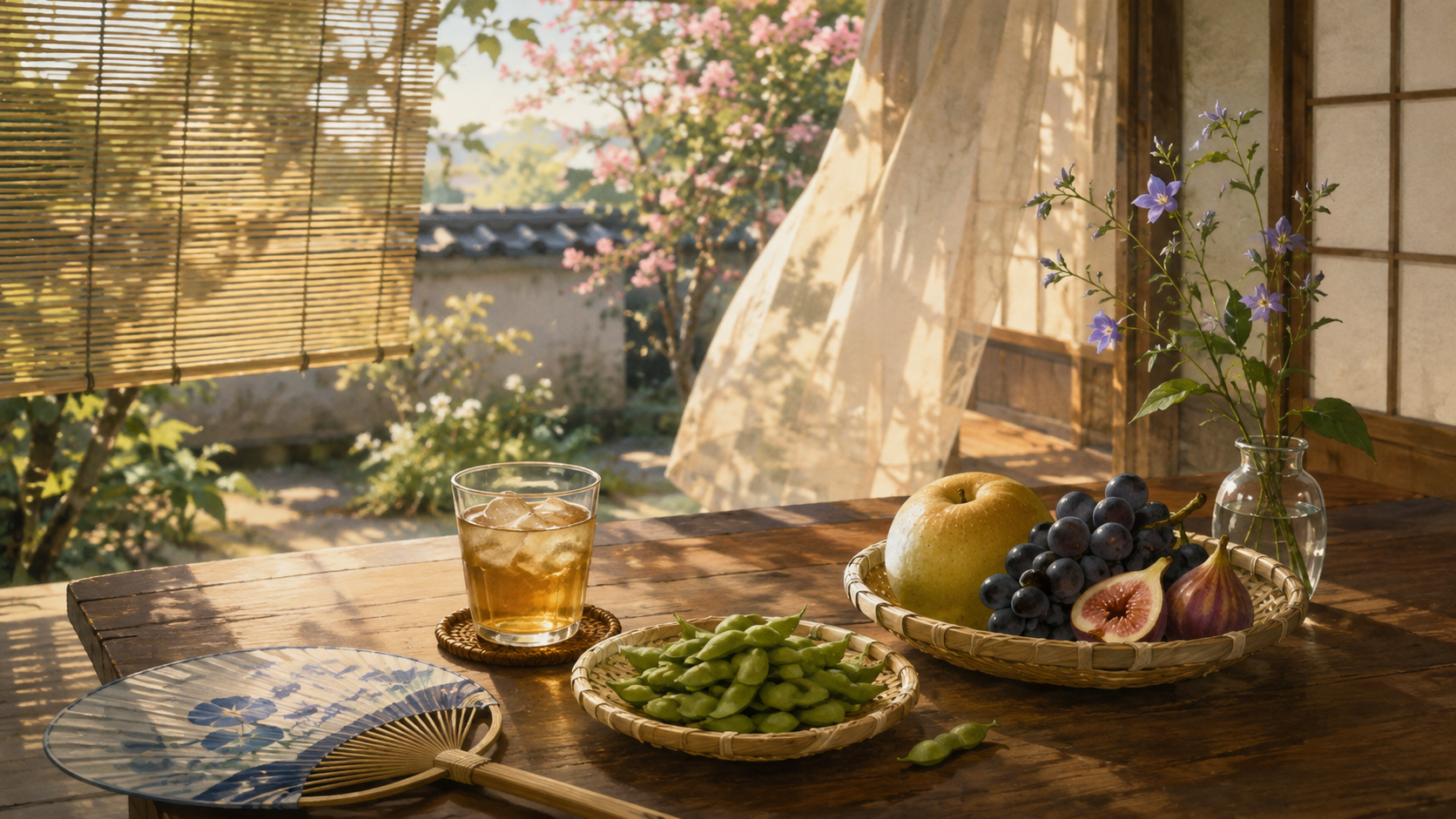
You often hear that Japan has four seasons. The more interesting part is how finely Japanese calendars learned to describe the transitions inside those seasons.
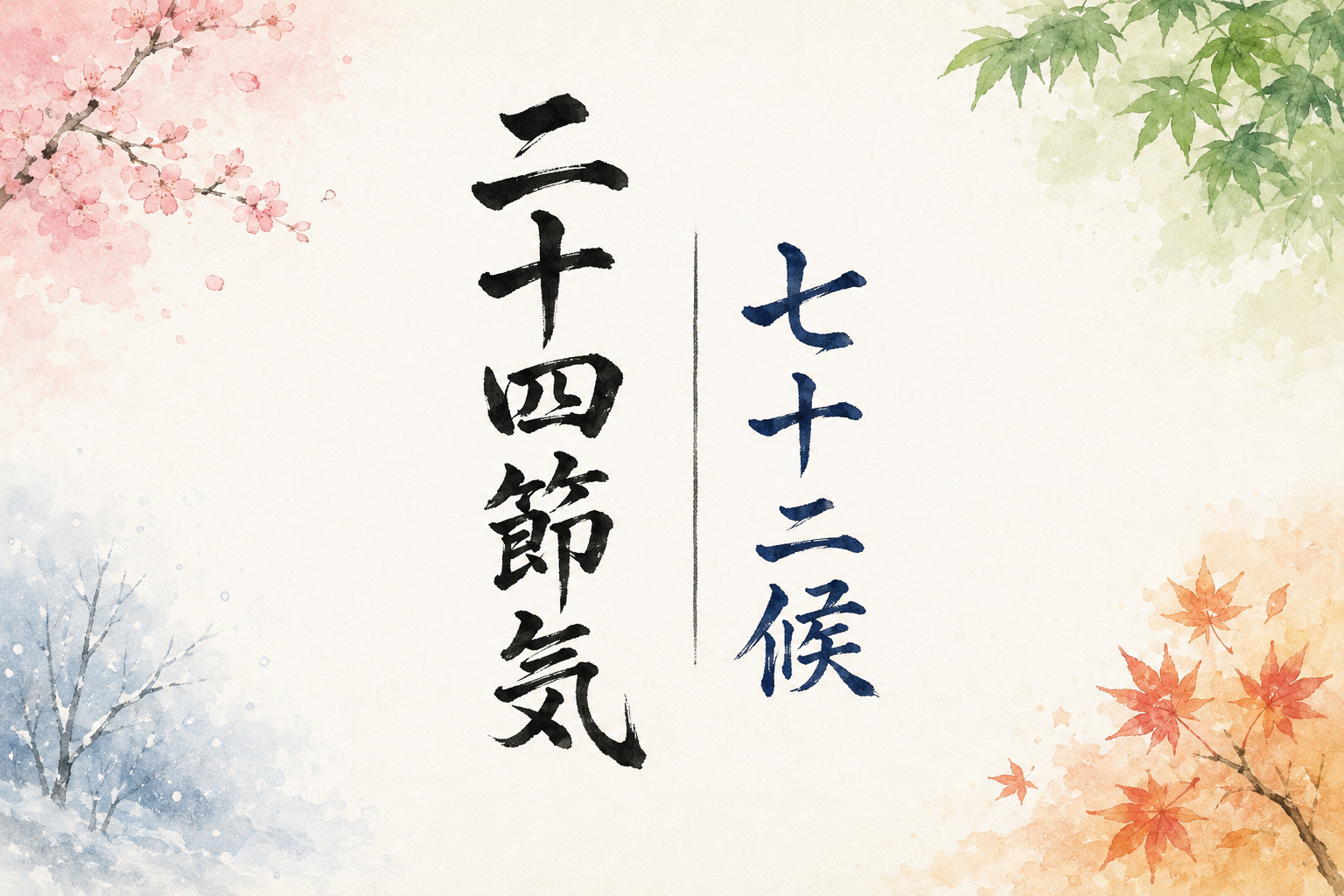
The traditional seasonal calendar includes 24 solar terms (二十四節気, nijūshi sekki) and 72 microseasons (七十二候, shichijūni kō). Together they give names to changes that can be much smaller than “spring” or “autumn”: thawing ice, arriving swallows, opening cotton bolls, ripening grain, the first frost, or winter winds stripping leaves from trees.
This page is Ordinary Japan’s map of that seasonal cycle.
It is also intentionally a living page. We are building the calendar one season at a time. When an individual article is published, its name below becomes a link. Names shown as plain text are seasons we have not reached yet.
Last updated: August 28, 2026.
- First, an important distinction: this is not 96 separate seasons
- What are the 24 solar terms?
- What are the 72 microseasons?
- Why follow this calendar in modern Japan?
- How to use this calendar
- Spring
- 立春 — Risshun — Beginning of Spring
- 雨水 — Usui — Rain Water
- 啓蟄 — Keichitsu — Awakening of Insects
- 春分 — Shunbun — Spring Equinox
- 清明 — Seimei — Clear and Bright
- 穀雨 — Kokuu — Grain Rain
- Summer
- 立夏 — Rikka — Beginning of Summer
- 小満 — Shōman — Lesser Fullness
- 芒種 — Bōshu — Grain in Ear
- 夏至 — Geshi — Summer Solstice
- 小暑 — Shōsho — Lesser Heat
- 大暑 — Taisho — Greater Heat
- Autumn
- 立秋 — Risshū — Beginning of Autumn
- 処暑 — Shosho — End of Heat
- 白露 — Hakuro — White Dew
- 秋分 — Shūbun — Autumn Equinox
- 寒露 — Kanro — Cold Dew
- 霜降 — Sōkō — Frost Descent
- Winter
- 立冬 — Rittō — Beginning of Winter
- 小雪 — Shōsetsu — Lesser Snow
- 大雪 — Taisetsu — Greater Snow
- 冬至 — Tōji — Winter Solstice
- 小寒 — Shōkan — Lesser Cold
- 大寒 — Daikan — Greater Cold
- A calendar that will take a year to complete
- Sources and calendar policy
First, an important distinction: this is not 96 separate seasons
There are 24 solar terms and 72 microseasons, but the Japanese calendar does not simply line up 96 independent seasons.
The structure is nested:
1 solar term → 3 microseasons
Each of the 24 solar terms contains an initial, middle and final microseason. That produces 72 microseasons in total.
For Ordinary Japan, however, it also gives us 96 individual stories to explore: 24 larger seasonal turning points and 72 smaller observations inside them.
What are the 24 solar terms?
The 24 solar terms are based on the Sun, not on the phases of the Moon. The National Astronomical Observatory of Japan explains them using the Sun’s apparent position along the ecliptic, divided into 24 steps of 15 degrees.
That is why familiar names such as Shunbun (春分, the spring equinox), Geshi (夏至, the summer solstice) and Tōji (冬至, the winter solstice) belong to the same system as less internationally familiar terms such as Keichitsu (啓蟄) or Shosho (処暑).
The exact date and time of a solar term can shift slightly from year to year. For current astronomical timing, Ordinary Japan uses the National Astronomical Observatory of Japan’s annual almanac.
What are the 72 microseasons?
The 72 microseasons divide each solar term into three smaller phases, traditionally around five days each.
Their names often describe plants, animals, weather or agricultural life. Some are immediately understandable today: 桜始開, “cherry blossoms begin to open.” Others preserve a much older view of nature, such as 腐草為蛍, literally describing decaying grass becoming fireflies.
The system came to Japan from China and was later adapted to Japanese conditions. The National Astronomical Observatory of Japan notes that the astronomer and calendar reformer Shibukawa Shunkai revised the inherited microseasons for Japan, with later changes leading toward the conventional set used today.
There is another important caveat. The 72 microseasons should not be treated like a modern five-day weather forecast. Historical methods of assigning them to exact days changed, and the National Astronomical Observatory does not publish a modern official annual date table for all 72 in the same way it publishes the 24 solar terms.
When Ordinary Japan gives a date window to a microseason, we treat it as a calendar model derived from the official solar-term anchors—not as an official NAOJ date for that microseason.
Why follow this calendar in modern Japan?
Because the interesting question is not whether an old phrase is always “correct.”
Japan stretches from Hokkaido to Okinawa. Cities retain heat differently from mountain villages. Climate changes from year to year. Supermarkets and convenience stores can start selling autumn foods while the air outside still feels like midsummer.
So for each season we ask:
Does this old seasonal description still fit modern Japan? If not, what is happening instead?
We look at weather, plants, animals, seasonal food, supermarkets, convenience stores, festivals, clothing and ordinary routines. Sometimes the traditional phrase fits surprisingly well. Sometimes the mismatch is the more interesting story.
How to use this calendar
The cycle below starts with Risshun (立春), the traditional beginning of spring, rather than January 1.
Each solar term contains its three microseasons. Linked names already have an Ordinary Japan article. Plain-text names are still to come. This page will be updated throughout the year as the calendar fills in.
Spring
立春 — Risshun — Beginning of Spring
- 東風解凍 — Spring winds thaw the ice
- 黄鶯睍睆 — Bush warblers begin to sing
- 魚上氷 — Fish rise toward the ice
雨水 — Usui — Rain Water
- 土脉潤起 — The earth begins to moisten
- 霞始靆 — Haze begins to linger
- 草木萌動 — Plants begin to sprout
啓蟄 — Keichitsu — Awakening of Insects
- 蟄虫啓戸 — Hibernating insects emerge
- 桃始笑 — Peach blossoms begin to bloom
- 菜虫化蝶 — Caterpillars become butterflies
春分 — Shunbun — Spring Equinox
- 雀始巣 — Sparrows begin nesting
- 桜始開 — Cherry blossoms begin to open
- 雷乃発声 — Thunder begins to sound
清明 — Seimei — Clear and Bright
- 玄鳥至 — Swallows arrive
- 鴻雁北 — Wild geese return north
- 虹始見 — Rainbows begin to appear
穀雨 — Kokuu — Grain Rain
- 葭始生 — Reeds begin to grow
- 霜止出苗 — Frost ends and seedlings emerge
- 牡丹華 — Peonies bloom
Summer
立夏 — Rikka — Beginning of Summer
- 蛙始鳴 — Frogs begin to call
- 蚯蚓出 — Earthworms emerge
- 竹笋生 — Bamboo shoots emerge
小満 — Shōman — Lesser Fullness
- 蚕起食桑 — Silkworms wake and eat mulberry leaves
- 紅花栄 — Safflowers bloom
- 麦秋至 — The wheat-ripening season arrives
芒種 — Bōshu — Grain in Ear
- 蟷螂生 — Praying mantises hatch
- 腐草為蛍 — Decaying grass becomes fireflies — an old seasonal belief
- 梅子黄 — Plums turn yellow
夏至 — Geshi — Summer Solstice
- 乃東枯 — Natsukarekusa, or self-heal, withers
- 菖蒲華 — Irises bloom
- 半夏生 — Crow-dipper begins to grow
小暑 — Shōsho — Lesser Heat
- 温風至 — Warm winds arrive
- 蓮始開 — Lotus flowers begin to open
- 鷹乃学習 — Young hawks learn to fly
大暑 — Taisho — Greater Heat
- 桐始結花 — Paulownia begins to set seed
- 土潤溽暑 — The earth grows damp in the muggy heat
- 大雨時行 — Heavy rains fall from time to time
Autumn
立秋 — Risshū — Beginning of Autumn
- 涼風至 — Cool winds arrive
- 寒蝉鳴 — Higurashi cicadas begin to sing
- 蒙霧升降 — Thick fog hangs in the air
処暑 — Shosho — End of Heat
- 綿柎開 — Cotton bolls begin to open
- 天地始粛 — The heat begins to subside
- 禾乃登 — Grains ripen
白露 — Hakuro — White Dew
- 草露白 — Dew glistens white on the grass
- 鶺鴒鳴 — Wagtails call
- 玄鳥去 — Swallows depart
秋分 — Shūbun — Autumn Equinox
- 雷乃収声 — Thunder ceases
- 蟄虫坏戸 — Insects close up their burrows
- 水始涸 — Water begins to recede
寒露 — Kanro — Cold Dew
- 鴻雁来 — Wild geese arrive
- 菊花開 — Chrysanthemums bloom
- 蟋蟀在戸 — Crickets chirp by the doorway
霜降 — Sōkō — Frost Descent
- 霜始降 — Frost begins to fall
- 霎時施 — Light rains fall from time to time
- 楓蔦黄 — Maples and ivy turn yellow
Winter
立冬 — Rittō — Beginning of Winter
- 山茶始開 — Camellias begin to bloom
- 地始凍 — The ground begins to freeze
- 金盞香 — Narcissus flowers bloom
小雪 — Shōsetsu — Lesser Snow
- 虹蔵不見 — Rainbows hide from sight
- 朔風払葉 — North winds strip leaves from the trees
- 橘始黄 — Tachibana citrus turns yellow
大雪 — Taisetsu — Greater Snow
- 閉塞成冬 — The skies close in and winter takes hold
- 熊蟄穴 — Bears retreat to their dens
- 鱖魚群 — Salmon gather
冬至 — Tōji — Winter Solstice
- 乃東生 — Natsukarekusa, or self-heal, begins to sprout
- 麋角解 — Deer shed their antlers
- 雪下出麦 — Wheat grows beneath the snow
小寒 — Shōkan — Lesser Cold
- 芹乃栄 — Water dropwort flourishes
- 水泉動 — Springs begin to stir
- 雉始雊 — Pheasants begin to call
大寒 — Daikan — Greater Cold
- 款冬華 — Butterbur buds bloom
- 水沢腹堅 — Streams freeze solid
- 鶏始乳 — Hens begin to lay
A calendar that will take a year to complete
At first, most of the names on this page will not be links. That is deliberate.
As each solar term and microseason arrives, Ordinary Japan will publish a new article and connect it back to this map. Over the course of a year, the plain-text calendar will gradually become a network of 96 seasonal articles.
The first year builds the structure.
After that, the same pages can keep growing. A microseason can look different in 2027 than it did in 2026. A heat wave may shift flowering. A supermarket may change when a fruit appears. A seasonal product may arrive earlier. A photograph taken on an ordinary street may capture a change that the old calendar describes—or one it never anticipated.
That is the larger idea behind this project.
The 24 solar terms and 72 microseasons are not being preserved here as museum labels. We are using them as a set of questions for looking closely at Japan as it is now.
Sources and calendar policy
For astronomical timing of the 24 solar terms, Ordinary Japan uses the National Astronomical Observatory of Japan’s annual almanac:
National Astronomical Observatory of Japan — annual almanac
For the history, structure and conventional Japanese names of the 72 microseasons:
National Astronomical Observatory of Japan — 72 microseasons
The dates used in individual Ordinary Japan microseason articles are derived from the official solar-term anchors and are presented as Ordinary Japan’s working calendar model, not as an official NAOJ publication of annual dates for all 72 microseasons.