Culture Gaps

Why Japan Almost Forgot Chōyō, the September 9 Chrysanthemum Festival

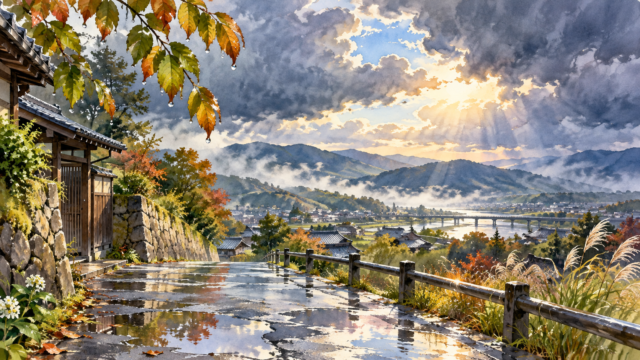
September 9 is Chōyō, one of Japan’s Five Seasonal Festivals. Once important at court and under the shogunate, it faded from everyday life after the modern calendar pulled the date away from chrysanthemum season—and unlike other sekku, it never gained an equally strong modern household ritual.
Daily Scenes

Japan’s Shaken Is Not a Safety Guarantee: Why Your Car Still Needs Maintenance After Passing Inspection

Japan’s shaken vehicle inspection checks whether a car meets safety and environmental standards at the time of inspection. It does not guarantee the car will remain safe until the next test—and Japan’s maintenance rules make that distinction important.
Daily Scenes

Rice Farming Without Rice Transplanting? A Familiar Japanese Scene Is Slowly Changing

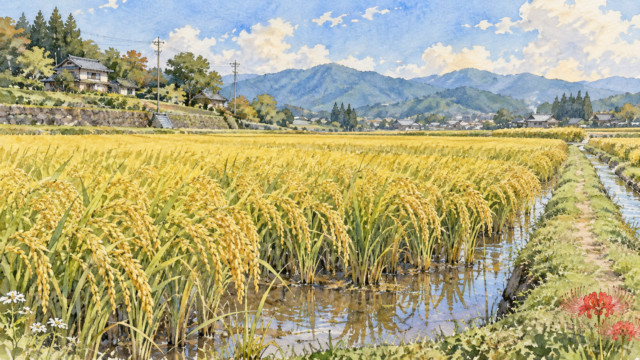
Rice transplanting is one of Japan’s most familiar spring scenes. But dry direct seeding is expanding, changing not only how rice is planted but also farm machinery, labor, crop rotations, and the traits farmers need from rice itself.

Browse by topic

Start with one part of ordinary Japan.

Japanese Words & Culture

Hakuro (白露): White Dew in Japan

What 白露 (White Dew) means in Japan, and what is actually in season now through the lens of shun.
Japanese Words & Culture

草露白: Dew whitens the grass | Japan’s 72 Microseasons

What 草露白 (Dew whitens the grass) means in Japan, and what is actually in season now through the lens of shun.
Culture Gaps

Why Japanese Omiyage Are More Than Souvenirs — A Nagasaki Sweet With a 400-Year Story

A Nagasaki sweet brought back to a Japanese office opens a window onto omiyage culture: regional classics, workplace sharing, and a wrapper carrying a 17th-century letter from exile.
Everyday Food

Komeda’s Coffee: The Japanese Café Chain Where the Food Is Bigger Than the Photos

Komeda’s Coffee looks like a nationwide café chain, but its roots are in Nagoya’s old-school kissaten culture. From morning toast to famously enormous sandwiches and the affectionate “reverse photo scam” meme, here is why Komeda feels so different.
Japanese Words & Culture

Shosho (処暑): End of Heat in Japan

Shosho (処暑) means “End of Heat,” but Japan can still be very hot. A 2026 seasonal note comparing the traditional calendar with current weather, food supply, and everyday retail.
Culture Gaps

Japan Is Now 58% Cashless — But That Does Not Mean What Visitors Think

Japan’s cashless payment ratio reached 58.0% in 2025, but that does not mean 58% of purchases are digital. Here is what the number actually measures, why cards still dominate, and why cash, IC cards and QR payments continue to coexist.
Japanese Words & Culture

Japan’s 24 Solar Terms and 72 Microseasons: A Living Seasonal Calendar

Japan’s traditional seasonal calendar divides the year into 24 solar terms and 72 microseasons. This living guide will grow through the year, linking each old seasonal phrase to modern Japanese weather, food, plants and everyday life.