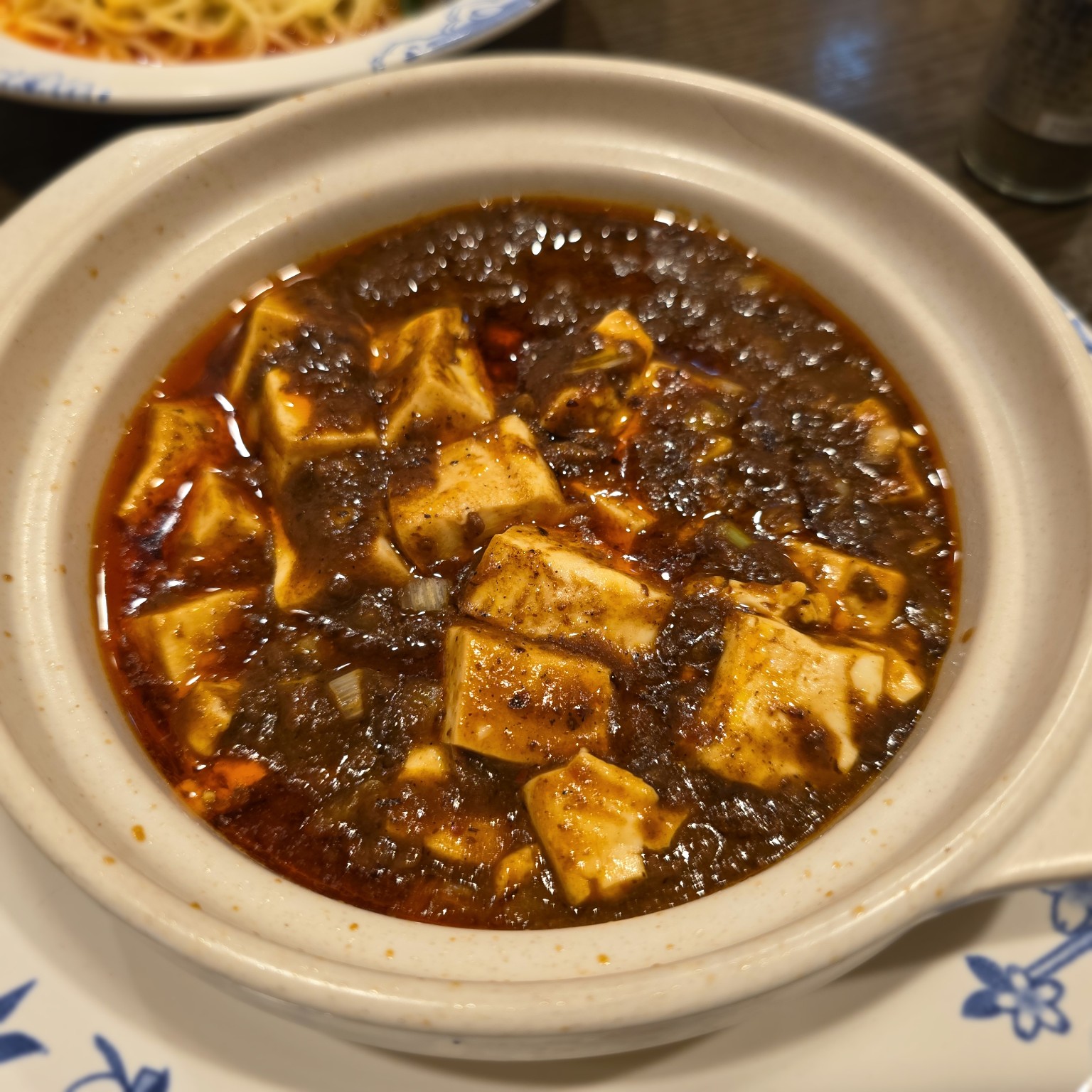
On an ordinary evening in Japan, our table gradually filled with Chinese dishes.
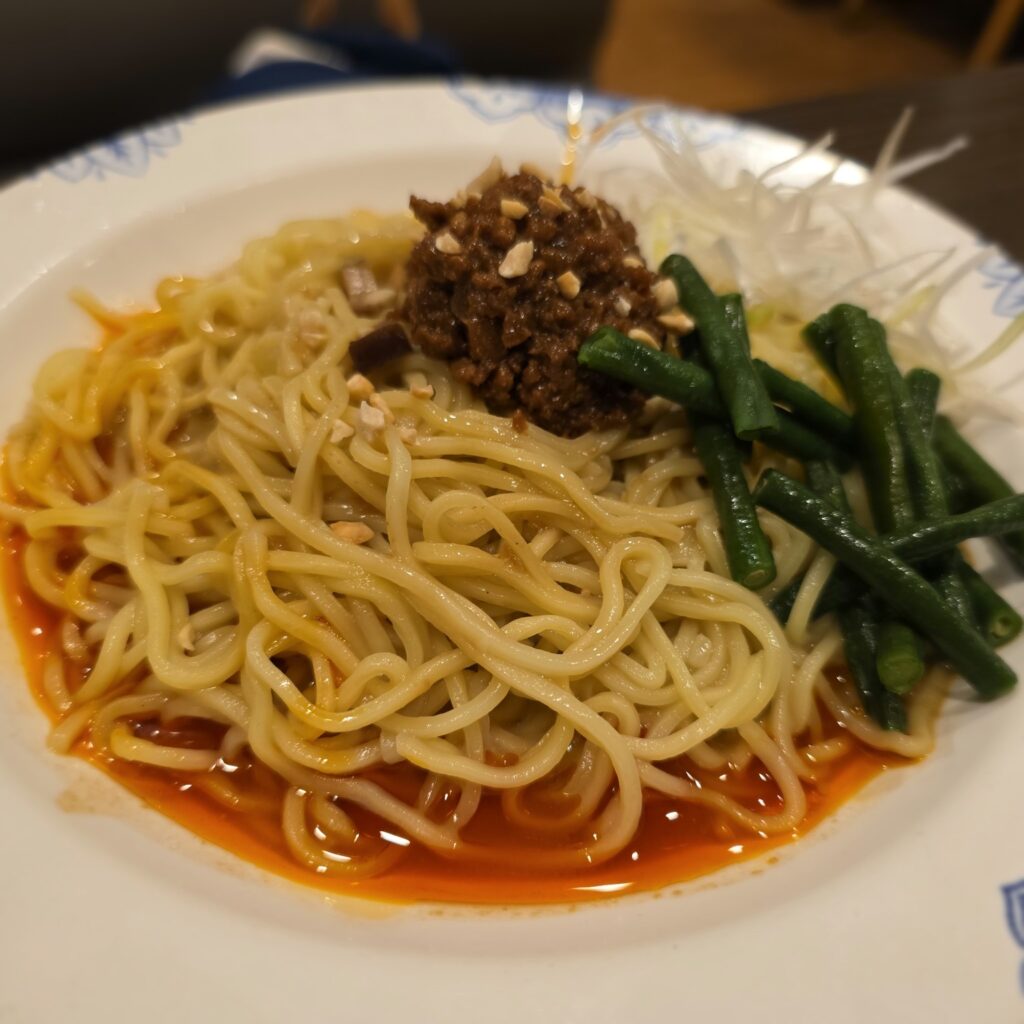
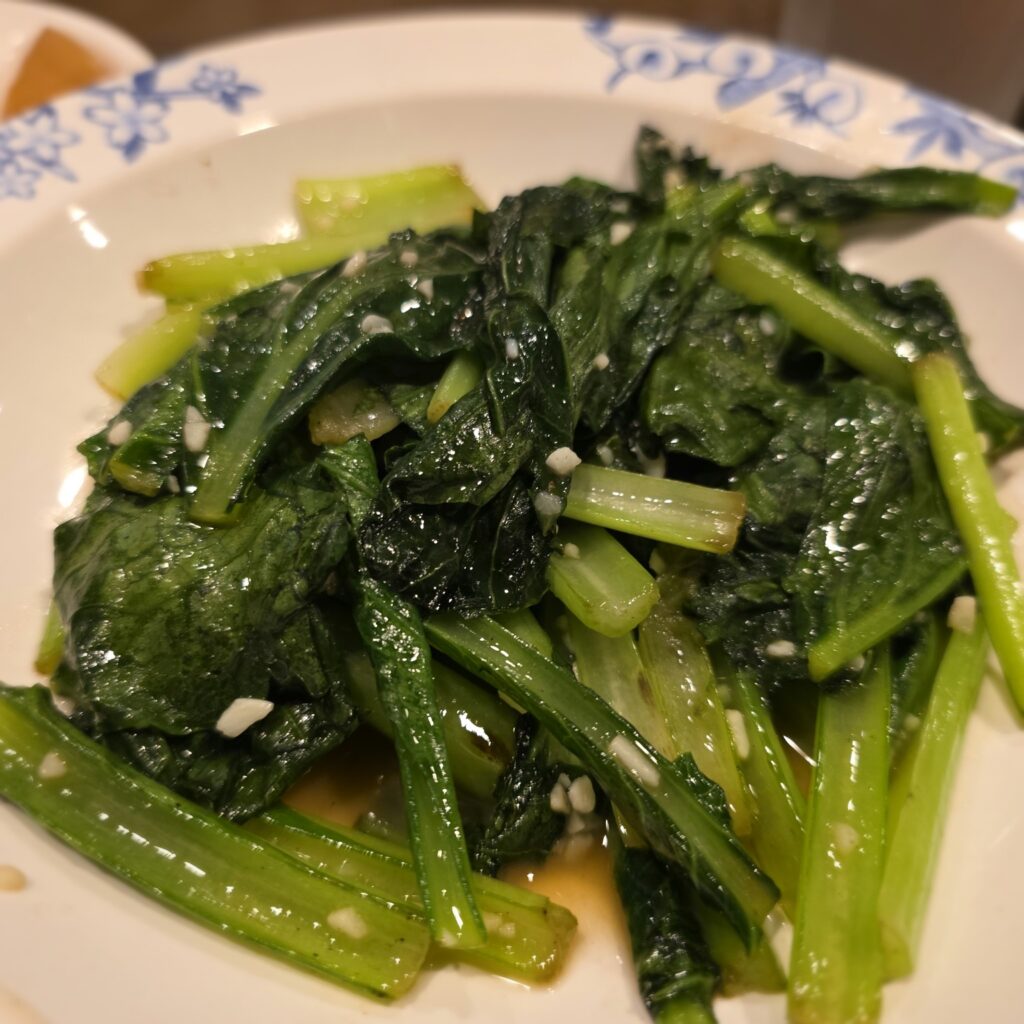
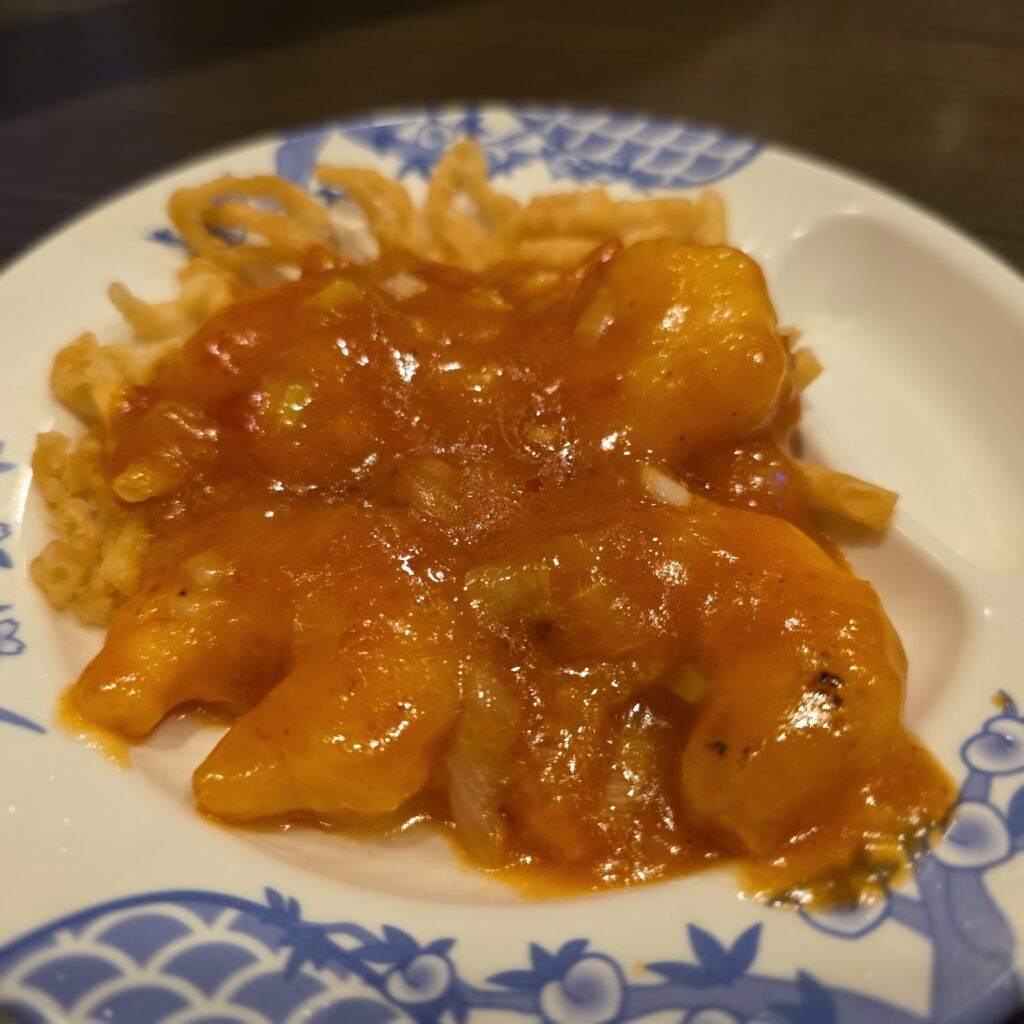
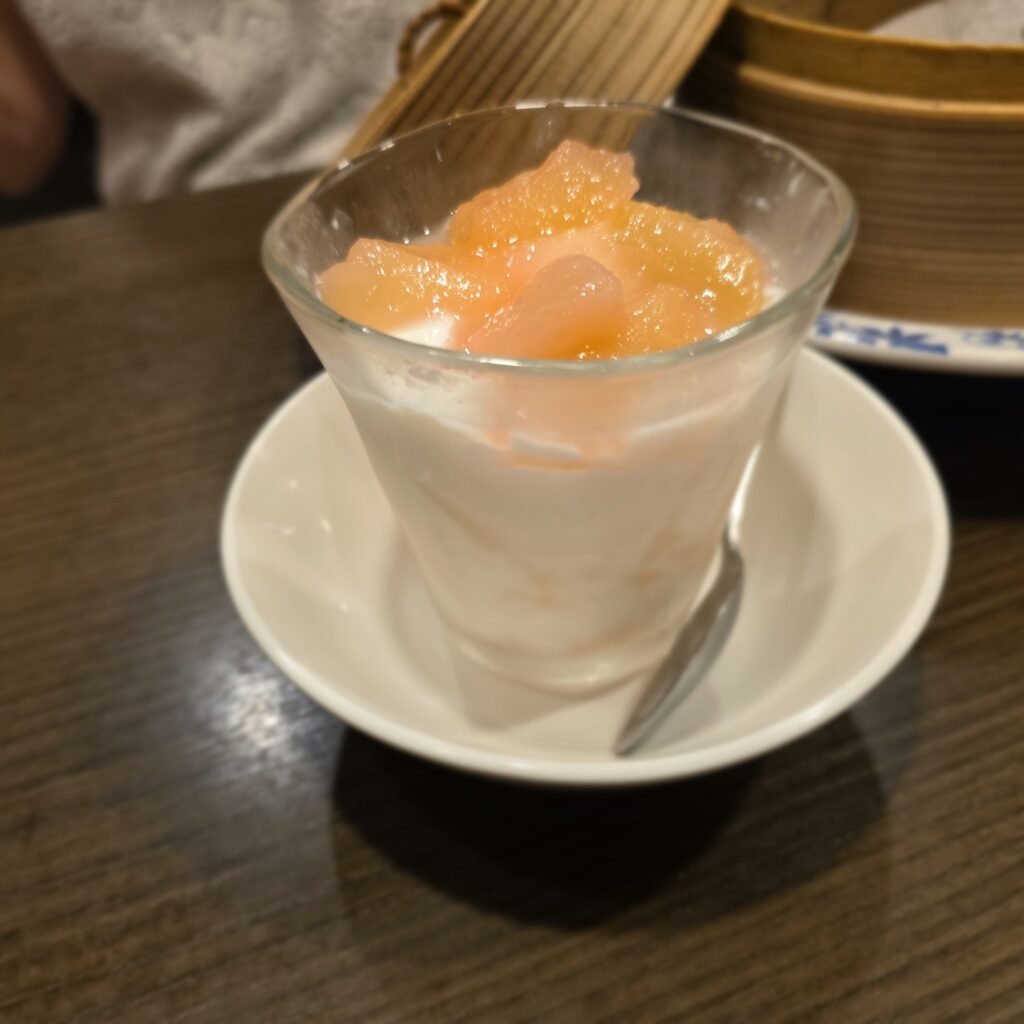
There was dark, spicy mapo tofu, chilled dan dan noodles surrounded by red chili oil, shrimp in a glossy chili sauce, stir-fried greens, a spring roll, and a white peach dessert.
This was not a special banquet or a famous restaurant hidden in Yokohama Chinatown. It was dinner at Bamiyan, a casual Chinese family-restaurant chain.
Bamiyan opened its first restaurant in 1986. As of June 30, 2026, the chain had 370 locations. For many people in Japan, it is not an exotic cultural experience. It is simply somewhere a family might go when nobody wants to cook.
Chinese food through the Japanese family restaurant
A Japanese famiresu, or family restaurant, is different from fast food.
Customers sit at a table or in a booth, order several dishes, refill drinks, talk for a while, and often share food. Children, students, office workers, couples, and older customers can all use the same restaurant without feeling out of place.
Bamiyan applies this familiar Japanese format specifically to Chinese food. The company describes the brand as a place where customers can enjoy everything from dumplings, ramen, and fried rice to more elaborate Chinese dishes at affordable prices. Its July 2026 menu still spans noodles, rice dishes, main courses, dim sum, small plates, desserts, and seasonal cold noodles.
At our table, the range felt closer to a small shared meal than to a single fast-food order. The mapo tofu was dark, oily, and properly spicy. The chilled dan dan noodles were rich with sesame, minced meat, vegetables, and chili oil. The shrimp chili was sweet, sharp, and glossy. Even the stir-fried greens retained enough bite to feel freshly cooked rather than reheated into softness.
Is this the same experience as eating at a regional restaurant in Chengdu, Shanghai, or Guangzhou? No.
That is not really the point.
Bamiyan is Chinese food translated into the Japanese chain-restaurant system: accessible, relatively inexpensive, carefully portioned, and highly repeatable.
A chain restaurant is expected to be consistent
In Japan, a low price does not completely excuse poor food.
A casual restaurant may use tablets, standardized plates, delivery robots, and a central supply system, but customers will still notice limp noodles, watery sauce, badly cooked rice, or vegetables that have lost their texture. The minimum acceptable standard for a large chain is often higher than visitors expect.
The Skylark Group, which operates Bamiyan, uses a vertically integrated supply system. Ingredients are purchased at group scale, and ten central kitchens handle tasks such as cutting ingredients and preparing sauces before shipping them to restaurants. The company says this system is designed to provide stable quality at reasonable prices. You can read its explanation of the central-kitchen and supply-chain system here.
This helps explain one of the main attractions of Japanese chain dining: the meal does not depend entirely on which cook happens to be working that evening.
A bowl of mapo tofu ordered at one Bamiyan should remain recognizably the same dish at another Bamiyan.
The name is not Chinese
Then there is the name.
“Bamiyan” sounds vaguely Chinese when it is written in Japanese katakana and placed beneath a peach-shaped logo. But Bamiyan is not a Chinese city.
The restaurant is named after the ancient city of Bamiyan in Afghanistan.
The official brand history explains that Bamiyan was chosen because the city prospered as a Silk Road relay point, a resting place for caravans, and a location where Eastern and Western cultures met. The restaurant wanted to become a similar place where people could gather and connect through Chinese food.
That historical image is not invented marketing. UNESCO describes the Bamiyan Valley as an important Buddhist center on the Silk Road and as evidence of cultural exchange involving Indian, Hellenistic, Roman, Sasanian, and later Islamic influences. The valley remains a World Heritage site.
There is no Afghan food on the Bamiyan restaurant menu.
Instead, an Afghan Silk Road city has become the name of a Japanese chain serving Chinese cuisine.
It is an oddly ambitious idea for somewhere people visit to eat dumplings after shopping.
The apparently random calligraphy is not random
The interior adds another layer.
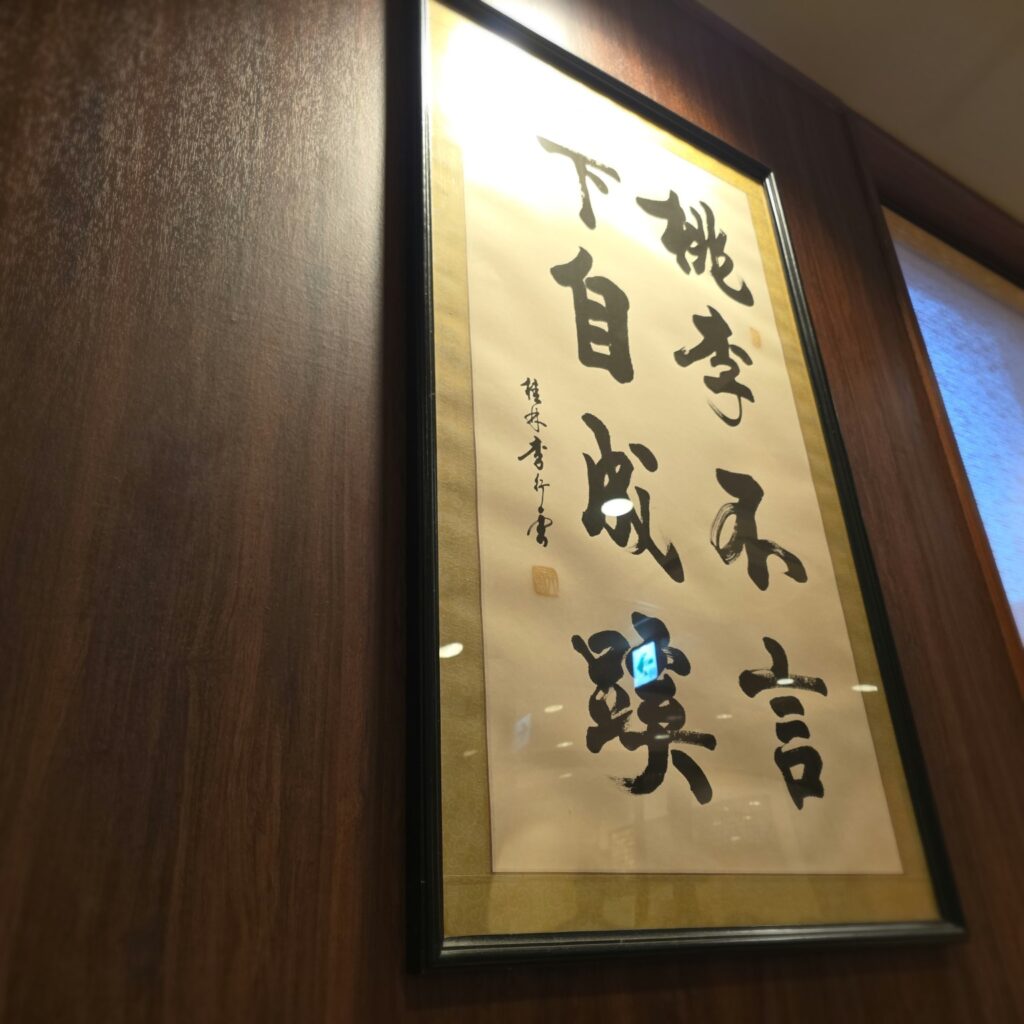
On the wall of the restaurant we visited was a large piece of framed calligraphy:
桃李不言 下自成蹊
The phrase comes from the Chinese historical work Records of the Grand Historian. A practical translation is:
Peach and plum trees do not speak, but people come for their flowers and fruit, and a path naturally forms beneath them.
It became a metaphor for a person whose qualities attract others without self-promotion. The origin and meaning are explained clearly by Seikei University, whose own name comes from the same phrase.
The calligraphy is closely connected to Bamiyan’s peach logo and its idea of a restaurant that naturally attracts people. In a report based on an interview with Skylark, the company explained that the peach also refers to ideas of health and longevity in Chinese culture, while the phrase became part of the restaurant’s concept. The full account is available here.
What first looks like generic Chinese-themed decoration is therefore doing real work.
The peach is not just a cute fruit.
The calligraphy is not merely there to make the restaurant feel vaguely Asian.
Even the Afghan name belongs to the same basic idea: a resting point where people meet, eat, and continue on their way.
An ordinary Japanese restaurant
Bamiyan is not usually listed among Japan’s essential tourist destinations.
That is precisely why it is worth noticing.
It shows how Japan handles foreign food in everyday life. The cuisine is adapted, but not necessarily simplified beyond recognition. The restaurant is inexpensive, but that does not mean quality is ignored. The operation is industrialized, but the finished dishes are still expected to taste properly cooked.
And the cultural mixture is more complicated than it initially appears.
The restaurant has an Afghan name, a Chinese menu, a classical Chinese quotation, a peach logo, and a Japanese family-restaurant operating system.
Yet nobody inside seems to find this combination strange.
Families order noodles. Someone adds more Sichuan pepper. Children eat spring rolls. A robot or a staff member carries another plate to the table. The framed calligraphy remains on the wall, quietly explaining the entire restaurant to customers who rarely stop to read it.
That may be the most Japanese part of Bamiyan.
Something geographically and historically complicated has been refined into an ordinary, reliable place to eat dinner.
This article is not sponsored. All photographs were taken during our visit.


コメント