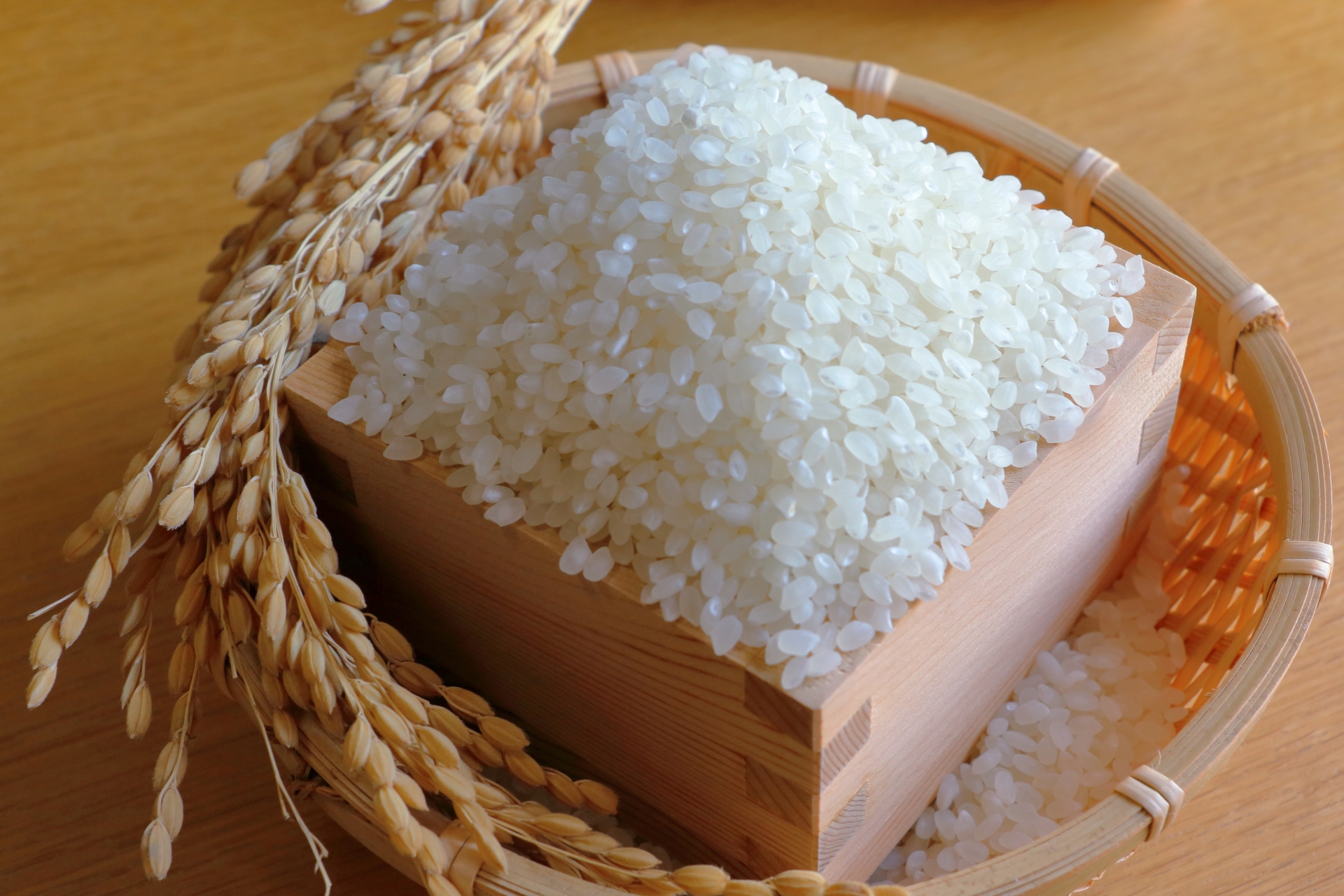
Rice is so ordinary in Japan that it is easy to forget how important it is.
It appears in breakfast, lunch boxes, convenience store rice balls, supermarket bento, curry rice, sushi, inari sushi, fried rice, ochazuke, rice crackers, sake, and simple bowls of white rice eaten at home.
For many people in Japan, rice is not just one food among many. It is the base that makes a meal feel complete.
Rice as the Center of Everyday Meals
In English, the word “meal” does not necessarily suggest one specific staple. It may include bread, potatoes, pasta, rice, or no obvious staple at all. But in Japanese daily life, rice has long played a central role.
Even today, when many people eat less rice than previous generations did, rice still sits quietly at the center of the Japanese idea of food. A simple dinner of grilled fish, miso soup, pickles, and rice feels complete. Curry without rice would be something else. A lunch box without rice can feel slightly unfinished.
Rice is plain, but that plainness is useful. It carries strong flavors. It works with fish, meat, vegetables, eggs, curry, natto, pickles, and Japanese-style Chinese dishes. It does not demand attention, but it supports everything around it.
That may be one reason Japanese people can be so particular about rice while also treating it as something completely ordinary.
Buying Rice, Receiving Rice
Most people in Japan buy rice at supermarkets.
They choose a bag, often 5 kilograms or 10 kilograms, carry it home, and store it in the kitchen. The label matters. The variety matters. The prefecture matters. The harvest year matters. Some people care about sweetness. Some care about stickiness. Some want rice that tastes good even after cooling, because it will be used in lunch boxes. Some simply buy what is affordable.
I am in a slightly different situation.
My family grows rice, so I often receive rice from home. That changes the feeling. Rice is not only something I buy. It is something connected to a field, a season, my family, and the work behind it.
When rice comes from your family, it becomes less anonymous. It is not just “a staple food.” It is something someone grew, dried, stored, polished, packed, and sent. A bag of rice is heavy, practical, and ordinary. But it also carries a quiet sense of support.
What the Recent Rice Shortage Revealed
The recent rice shortage and price rise in Japan made something clear.
Rice is supposed to be there.
People in Japan may complain about the price of meat, fish, vegetables, or fruit. But rice feels different. Rice is the thing that should be on the shelf. When supermarket rice becomes expensive, limited, or hard to find, it touches something deeper than convenience.
It makes daily life feel unstable.
For people who buy rice at supermarkets, the change is direct. A familiar bag becomes more expensive. The usual brand is missing. Purchase limits appear. People compare prices more carefully. Rice, which usually stays in the background of daily life, suddenly becomes visible.
For people like me, who can receive rice from family, the feeling is different. There is relief, but also a reminder that rice does not simply appear. It depends on fields, weather, farmers, logistics, storage, policy, and a long chain of people.
When rice is always available, people stop thinking about it. When rice becomes hard to buy, people remember how much of ordinary life depends on it.
So Many Names for Rice
From outside Japan, Japanese rice may look like one thing: short-grain white rice.
Inside Japan, it is much more divided.
There are varieties such as Koshihikari, Hitomebore, Nanatsuboshi, Tsuyahime, Yumepirika, Hinohikari, and many others. There are regional brands, local preferences, and names associated with specific prefectures. A bag of rice can be a quiet advertisement for a region.
Hokkaido has its rice.
Niigata has its rice.
Akita has its rice.
Yamagata has its rice.
Miyagi, Kumamoto, and many other regions have theirs too.
Some rice is known for stickiness. Some for sweetness. Some for grain texture. Some for how well it tastes after cooling. Some varieties are developed for heat tolerance, disease resistance, yield, or specific uses.
This variety may seem excessive.
But if rice is eaten almost every day, small differences matter.
The Hidden Work Behind a Bowl of Rice
A new rice variety is not created quickly.
Breeders cross plants, grow generations, select lines, test them, compare taste, yield, disease resistance, heat tolerance, lodging resistance, regional adaptability, and cooking quality. They must think not only about what people want now, but what farmers and consumers may need many years later.
This is a long and expensive kind of attention.
The cost is not only money. It is years of field trials, land, labor, observation, failed lines, regional testing, and institutional knowledge. Behind a simple bag of rice at a supermarket, there may be a long history of breeding work that most consumers never see.
That hidden work explains something about Japan’s attachment to rice.
Rice is not just a crop. It is a national daily material. If the base of the meal changes, daily life changes with it.
Rice Is Also Something to Drink
Rice is not only eaten in Japan.
It is also brewed.
Sake is often explained overseas as “rice wine,” but that phrase can be misleading. Sake is not made by simply fermenting grape juice like wine. It is brewed through a process involving rice, koji, water, and yeast. The rice is polished, steamed, converted by koji, and fermented into alcohol.
This means rice has another life in Japan.
It becomes a bowl of white rice.
It becomes a rice ball.
It becomes sushi.
It becomes rice crackers.
It becomes sake.
In sake, the attention to rice becomes even more visible. The rice variety matters. The polishing ratio matters. The water matters. The region matters. The brewery’s method matters.
Some rice is grown for eating. Some rice is especially suited for brewing. The culture around sake shows that Japan’s relationship with rice is not only about filling the stomach. It is also about fermentation, aroma, regional identity, and craft.
Rice is food, but it is also technique.
Rice as Ordinary Infrastructure
This is the strange thing about rice in Japan.
It is emotionally important, but it is also extremely ordinary. It is cultural, but also domestic. It is connected to fields, policy, breeding, regional identity, family, supermarkets, and sake breweries. At the same time, it is something you wash in a bowl and cook in a rice cooker.
Rice can be a national symbol.
It can also be tomorrow’s lunch.
That is why Japanese attachment to rice is not just nostalgia. It is practical, daily, and physical. Rice is heavy. Rice is stored. Rice is cooked. Rice is packed. Rice is sent from family. Rice disappears from supermarket shelves and people immediately notice.
For Japan, rice is not just food.
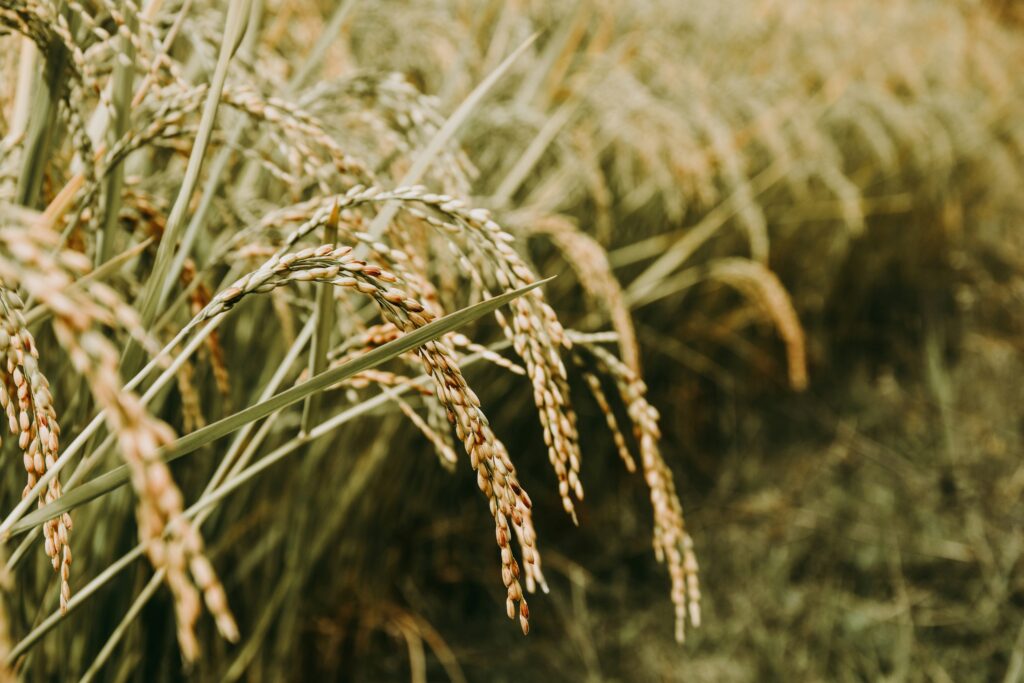
It is a field before planting season.
It is a heavy bag carried home from the supermarket.
It is a package sent from family.
It is a cultivar name printed on a label.
It is years of breeding work hidden behind a simple bowl.
It is the base of lunch boxes and home dinners.
It is also sake, changing form through fermentation.
Rice is quiet.
But in Japan, it is never just background.
コメント